
The Illusion of Luck in Gambling
The concept of luck dominates the conversation around gambling, often overshadowing the more deterministic factors at play. Many players enter casinos believing that luck can be a reliable ally, leading them to victory. However, it’s essential to understand that gambling outcomes are influenced by random number generators in digital games or mechanical odds in traditional games, making the online casino experience more about strategy than chance. This misunderstanding creates an illusion that luck can be harnessed or influenced by certain behaviors.
For instance, players often develop rituals or superstitions they believe will enhance their luck. Whether it’s wearing a lucky shirt or performing a specific sequence of actions before placing a bet, these behaviors are often psychological coping mechanisms rather than strategies that affect the game’s outcome. Such rituals may provide comfort or a sense of control, but they do not change the underlying odds of winning or losing. The reality is that every spin of a slot machine or every card dealt is independent, governed by randomness and probability, not the whims of fate.
Moreover, the casino environment is designed to heighten these feelings of luck and excitement. The sounds of ringing slot machines, flashing lights, and upbeat music create an atmosphere that can trick visitors into believing they have a better chance of winning than they do. As players chase the high of potential luck, they may overlook the significant house edge that ensures the casino maintains its profitability in the long run. Understanding this can help players make more informed decisions when they gamble and mitigate the emotional highs and lows associated with the blind pursuit of luck.
The Role of House Edge and Odds
To fully grasp the realities of luck in casinos, it’s vital to explore the concept of the house edge. This term refers to the mathematical advantage that casinos have over players, ensuring that, in the long run, the house will always come out ahead. Each game is designed with a specific house edge, which varies from one game to another; for instance, the odds in blackjack may be more favorable than those found in slot machines. Recognizing the house edge is crucial for gamblers trying to navigate their luck.
Players often underestimate how the odds work and how they impact their chances of winning. For example, in games like roulette, the presence of zero or double zero means that the actual odds of winning are always slightly lower than the payouts offered. This discrepancy between the perception of winning and the actual statistical reality is a significant reason why many players leave the casino without a win. Understanding the house edge allows players to make calculated decisions and manage their expectations appropriately.
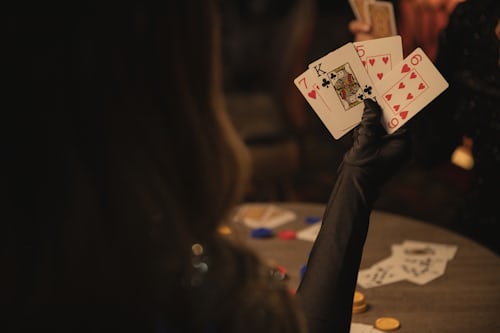
Furthermore, while luck can influence short-term outcomes, it is the house edge that dictates the long-term results for every player. Many enthusiasts might experience a streak of good fortune and walk out winners, but these instances are often short-lived. In contrast, persistent play will reveal the house edge’s effectiveness, as it takes its toll on the player’s bankroll over time. This dynamic illustrates that while luck may play a role in individual game outcomes, it is not a sustainable strategy for success in the long run against the structural advantages held by the casino.
Behavioral Economics and Decision Making
The psychology of gambling is a field that has gained traction over the years, revealing fascinating insights into how players perceive luck and make decisions in casinos. Cognitive biases, such as the illusion of control, can lead players to believe they can influence outcomes, leading them to make irrational bets. For instance, many gamblers think that recent losses increase the likelihood of a win, reflecting the gambler’s fallacy. This fallacy can lead to chasing losses, ultimately exacerbating the financial loss and heightening the emotional stakes involved.
Moreover, emotional reactions to wins and losses can warp players’ perceptions of luck. The thrill of a big win can instill a false sense of mastery in the game, causing players to misjudge their skill or strategy’s effectiveness. Conversely, losing streaks can dishearten players, leading them to abandon rational thought in favor of desperation. Understanding these behavioral patterns is critical for gamblers aiming to control their spending and maintain a healthy relationship with gambling.
Additionally, the role of peer influence should not be overlooked. Observing others in the casino can significantly affect individual decision-making processes. Players may find themselves caught up in the excitement of a winning table or group, feeling emboldened to increase their bets or gamble longer than they intended. This social dynamic showcases how luck is not just a personal experience but one shaped by the broader casino environment and the behavior of fellow players, further complicating the concept of luck in gambling.
Strategies for Responsible Gambling
While luck plays an undeniable role in gambling, responsible strategies can help players enjoy their experience more while minimizing potential pitfalls. Setting budgets before gambling is one of the most effective strategies anyone can employ. By determining a clear limit for losses or wins before stepping into a casino, players can enjoy the entertainment aspect without falling prey to emotional or impulsive decisions. This pre-set budget should include both money and time, ensuring a balanced approach to the gambling experience.

Additionally, understanding the games being played and the associated odds can empower players to make informed choices. Players should take the time to learn rules, strategies, and payouts associated with their games of choice. By doing so, they can select games that align with their risk tolerance and enjoyment levels, rather than relying on luck alone. This proactive approach can help create a more positive gambling experience and increase the chances of walking away satisfied, regardless of the outcome.
Finally, players should also be mindful of their emotional states while gambling. Recognizing when frustration, anger, or disappointment begins to cloud judgment can serve as a critical turning point in a gambling session. Stepping away or taking a break can help regain perspective and mitigate losses. Practicing mindful gambling can enhance the enjoyment of the casino experience while reducing the reliance on luck as the primary factor in decision-making, leading to a more fulfilling and responsible engagement with gambling.
Understanding Online Gambling Dynamics
The world of online gambling introduces new dimensions to the understanding of luck, house edge, and player behavior. While traditional casinos may present a social environment where players can interact, online platforms often foster a solitary atmosphere. This solitude can amplify the influence of psychological factors and behavioral biases, leading players to engage in riskier behaviors. Understanding these dynamics is essential for players navigating the digital gambling landscape.
In online gambling, the randomness of games is managed by sophisticated algorithms that ensure fair play, yet many users still fall into the trap of believing in patterns or trends. The myth of ‘hot’ and ‘cold’ games is prevalent, with players convinced that they can predict outcomes based on previous results. This false sense of control can lead to overconfidence and poor decision-making, resembling behaviors found in physical casinos. Awareness of how these trends can mislead players is crucial for responsible online gambling.
Furthermore, online casinos often employ features designed to keep players engaged and betting longer, such as notifications of big wins or enticing bonuses. This environment can obscure the understanding of how luck operates and the importance of the house edge. Players must stay vigilant about their gambling habits in this highly stimulating environment, ensuring that they remain aware of personal limits and the nature of the games they choose to play, ultimately leading to a more accountable gambling experience.