

Understanding Nauru Citizenship in 2026
As we approach 2026, discussions surrounding Nauru Citizenship 2026 have intensified. The small yet significant island nation of Nauru, located in the Pacific Ocean, is expected to implement innovative changes to its citizenship policies and procedures, reflecting both its socio-economic landscape and an increasingly globalized world. This article will delve into potential transformations in Nauru’s citizenship framework, the implications for residents and expatriates, and how these developments may shape the future of this unique country.
Historical Context of Nauru Citizenship
To fully appreciate the anticipated changes in 2026, it’s essential to understand the historical context of Nauru’s citizenship policies. Nauru gained independence from Australia in 1968, which marked a significant turning point in its governance and nationality legislation. The Citizenship Act of 1971 laid down the foundational principles for acquiring Nauruan citizenship, predominantly emphasizing descent and naturalization processes. Historically, citizenship was tightly woven into Nauru’s national identity, fostering a deep connection among its citizens to the land and its cultural heritage.
Current Citizenship Policies
As of now, Nauru allows citizenship through claims of descent and naturalization. The requirements for naturalization include residing in Nauru for a specified period, demonstrating proficiency in the Nauruan language, and showing an understanding of Nauruan customs and traditions. With a population of approximately 10,000, the emphasis on preserving the cultural integrity of the nation has been a guiding principle in past policies. However, these current frameworks are subject to scrutiny and evaluation as Nauru navigates the complexities of modern challenges such as climate change, economic sustainability, and globalization.
Anticipated Changes in 2026
By 2026, Nauru’s leadership may consider various revisions to existing citizenship laws to reflect contemporary needs and challenges. Potential changes could focus on expediting naturalization processes for skilled migrants, particularly in key sectors such as healthcare, education, and environmental management. The rationale behind this is to respond to demographic changes and labor shortages that directly impact the nation’s economy and community welfare.
The Impact of Climate Change
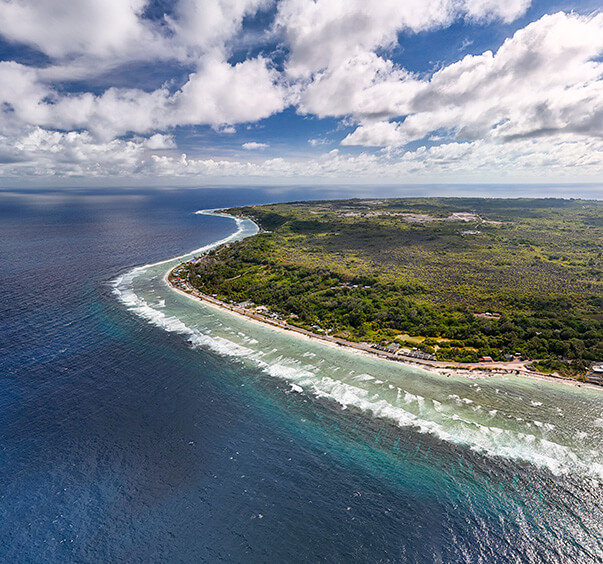
One of the most pressing issues that Nauru faces is climate change. As a low-lying island state, Nauru is particularly vulnerable to rising sea levels, extreme weather events, and environmental degradation. The challenges posed by climate change have implications not only for the physical safety and livelihood of Nauruans but also for citizenship policy. In response, Nauru may develop provisions to offer refuge to climate-displaced individuals from nearby nations; thus, re-evaluating its stance on citizenship for those affected by environmental factors becomes essential.
Economic Implications of Citizenship Changes
The economic landscape of Nauru is another critical factor to consider. The nation’s reliance on phosphate mining, which has been declining, has prompted the government to diversify its economy. Changes to citizenship policies could pave the way for foreign investment, stimulating economic growth and creating new job opportunities. Introducing citizenship pathways for entrepreneurs and investors may be an attractive option for Nauru, positioning it as an appealing destination for business ventures.
Cultural Preservation and National Identity
Balancing economic development with cultural preservation will be a significant challenge for Nauru’s leadership in 2026. Any revisions to citizenship laws must carefully consider the values and traditions that define Nauruan identity. An influx of new citizens, particularly from diverse backgrounds, could enrich the cultural tapestry of the nation but also pose risks of dilution of Nauruan heritage. Striking this balance requires thoughtful policy-making, ensuring that citizenship not only confers rights but also responsibilities towards nurturing and protecting Nauruan culture.
Conclusion
As we look forward to 2026, Nauru stands at a critical juncture in redefining its citizenship policies. The challenges posed by climate change, economic transformations, and the need to preserve national identity are all interwoven within the fabric of citizenship discussions. Engaging with its citizens, expatriates, and the global community will be essential for Nauru to develop a responsive and inclusive framework that reflects its unique characteristics and future aspirations. The decisions made in the coming years will not only shape the lives of those seeking Nauruan citizenship but will also influence the nation’s trajectory in an evolving global landscape.